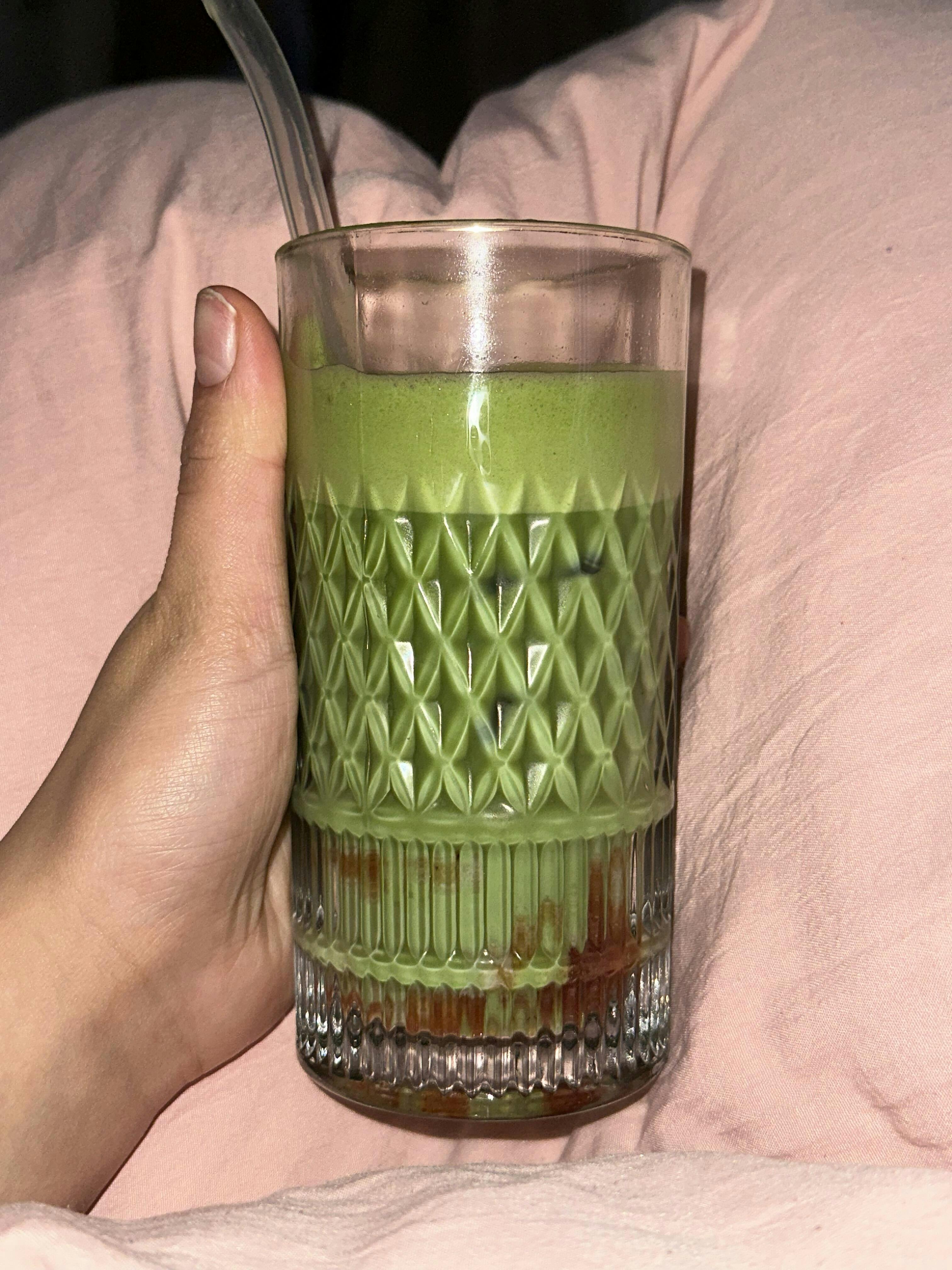
Ceremonial Matcha
Ceremonial Matcha
Nutrition Facts
| Nutrients | Per 100g | Per 30g |
|---|---|---|
| Energy | 287 Kcal / 1202 kj | 86 Kcal / 360 kj |
| Protien | 24.2 g | 7.3 g |
| Fat | 1.01 g | 0.3 g |
| Dietary Fiber | 15.6 g | 4.7 g |
| Carbohydrate | 26.3 g | 7.9 g |
| Salt | 0.0 g | 0.0 g |
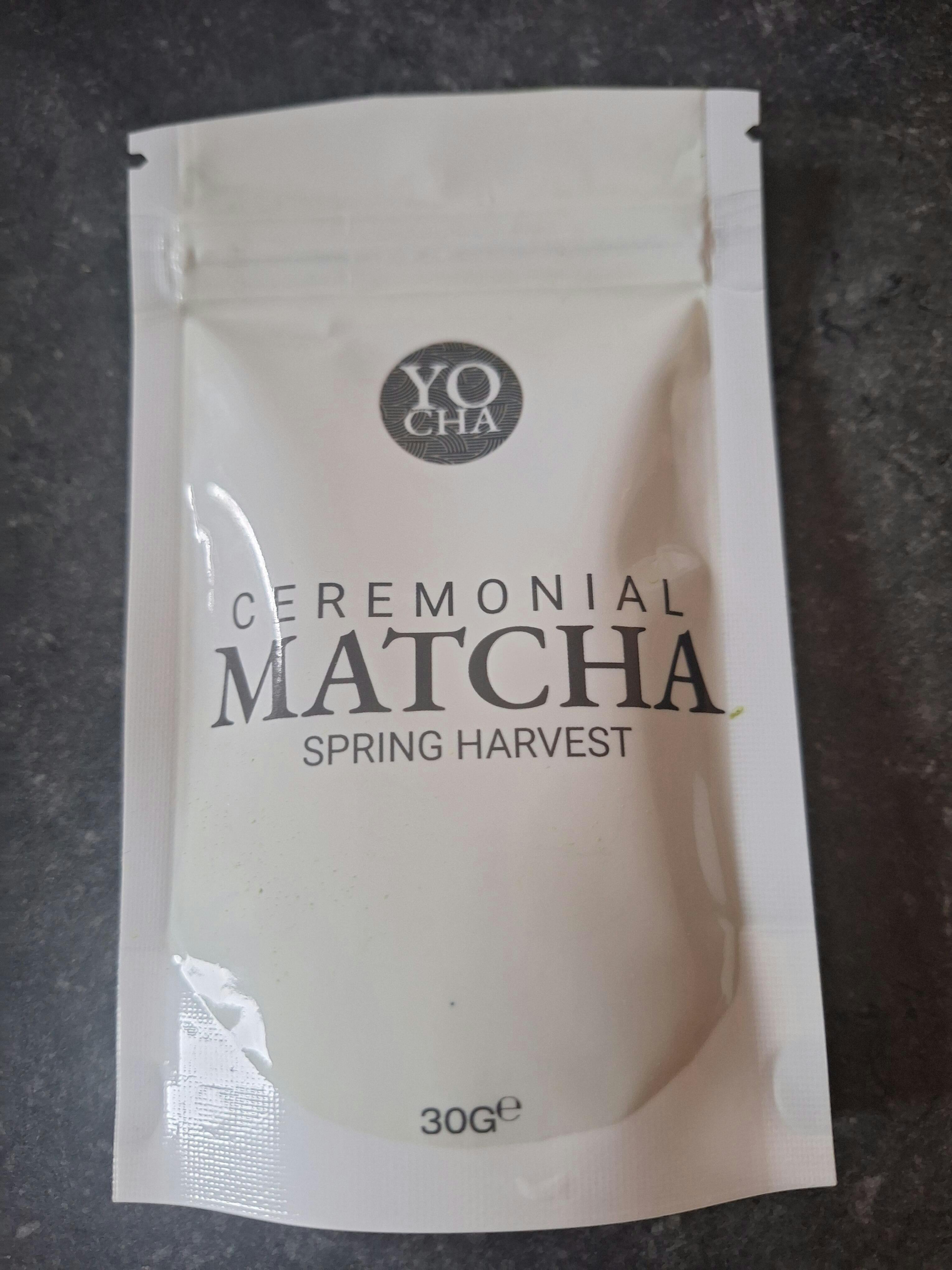
Ingredient: 100% Organic Green tea (Camellia sinensis)
Couldn't load pickup availability
In stock

Ceremonial Matcha
DESCRIPTION
DESCRIPTION
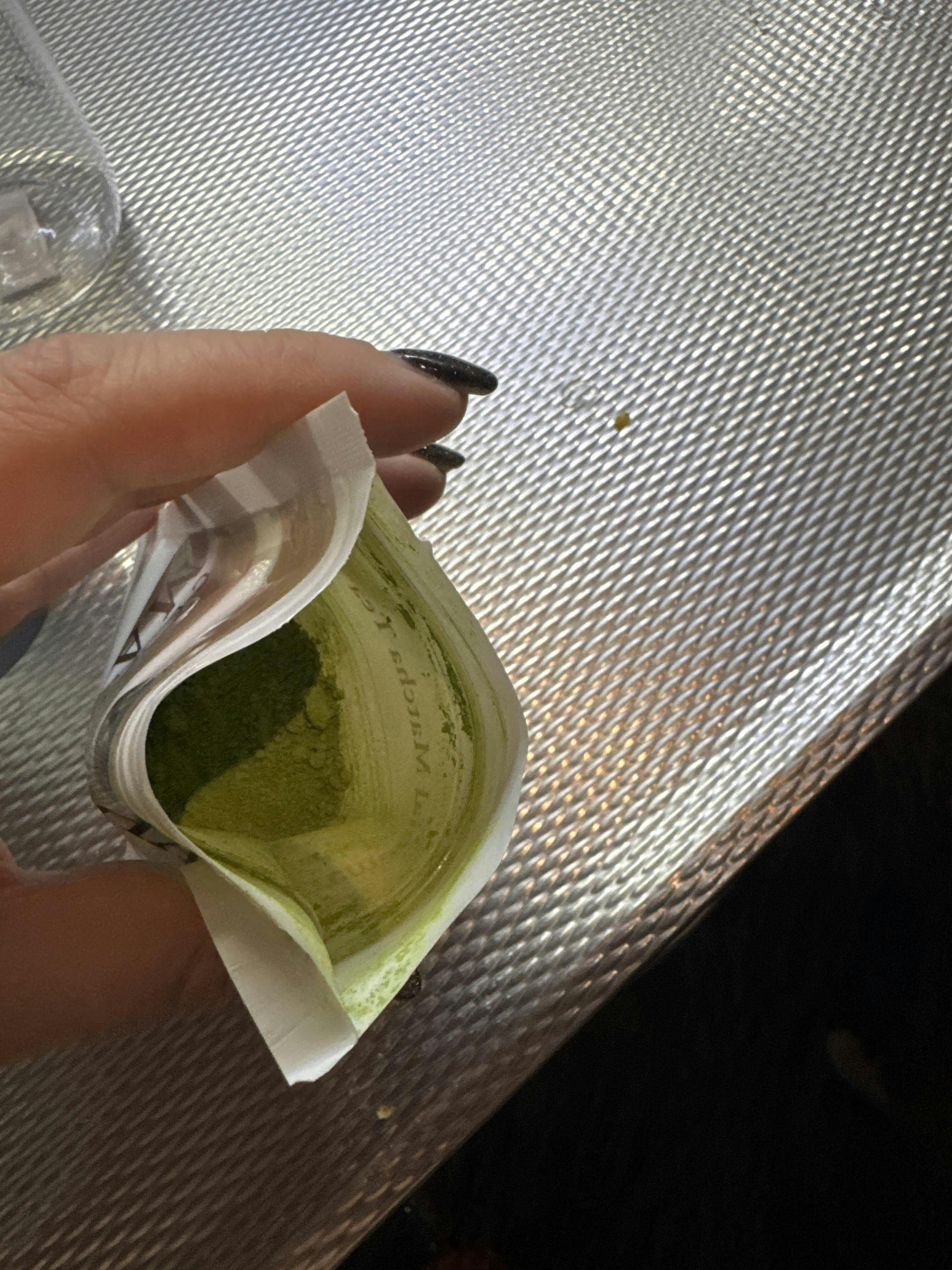
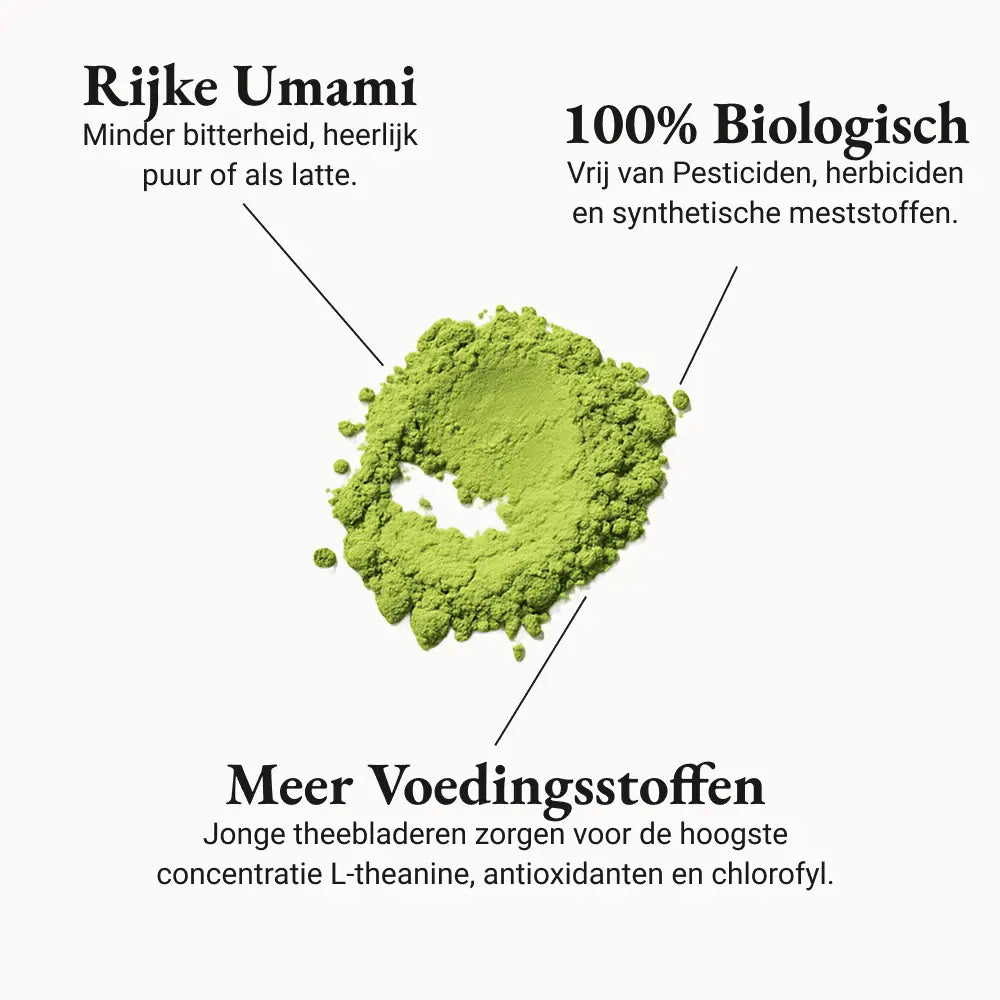
Enjoy the bright green ceremonial grade matcha, hand-picked in Uji to ensure the finest quality and free from any bitterness.
ADVICE
ADVICE
Perfect for hot or cold drinks, baking, or even ice cream. Store in a cool, dry place. Reseal after use. Keep out of reach of children.
HOW TO USE
HOW TO USE

 Organic
 Halal
Halal
 Japanese Agriculture



WHY CHOOSE MATCHA?
Discover the natural difference between Yocha ceremonial matcha, coffee, and energy drinks.

|

|

|
|
|---|---|---|---|
| Smooth, sustained energy | |||
| Reduces inflammation | |||
| Improve heart health | |||
| Boost metabolism |
QUALITY, REVEALED IN COLOR
Bright green in color, fresh and soft smell.


FREQUENTLY ASKED QUESTIONS
How does it taste?
How does it taste?
Matcha is often described as grassy, but that description overlooks its nuance. The flavor is closely tied to quality. Lower quality matcha can taste bitter and sharp, while ceremonial quality matcha such as Yocha Ceremonial Matcha is known for its creamy texture, rich umami, and subtle natural sweetness. Factors such as growing conditions, harvest timing, and processing play a crucial role in shaping the taste.
How is Ceremonial Matcha different from culinary matcha?
How is Ceremonial Matcha different from culinary matcha?
The main difference lies in the quality. Ceremonial matcha is made from the youngest, most tender leaves and has a sweeter, smoother taste with less bitterness. Culinary matcha, on the other hand, is made from older leaves and has a more robust flavor, often used in cooking and baking.
Can I use Ceremonial Matcha for smoothies or lattes?
Can I use Ceremonial Matcha for smoothies or lattes?
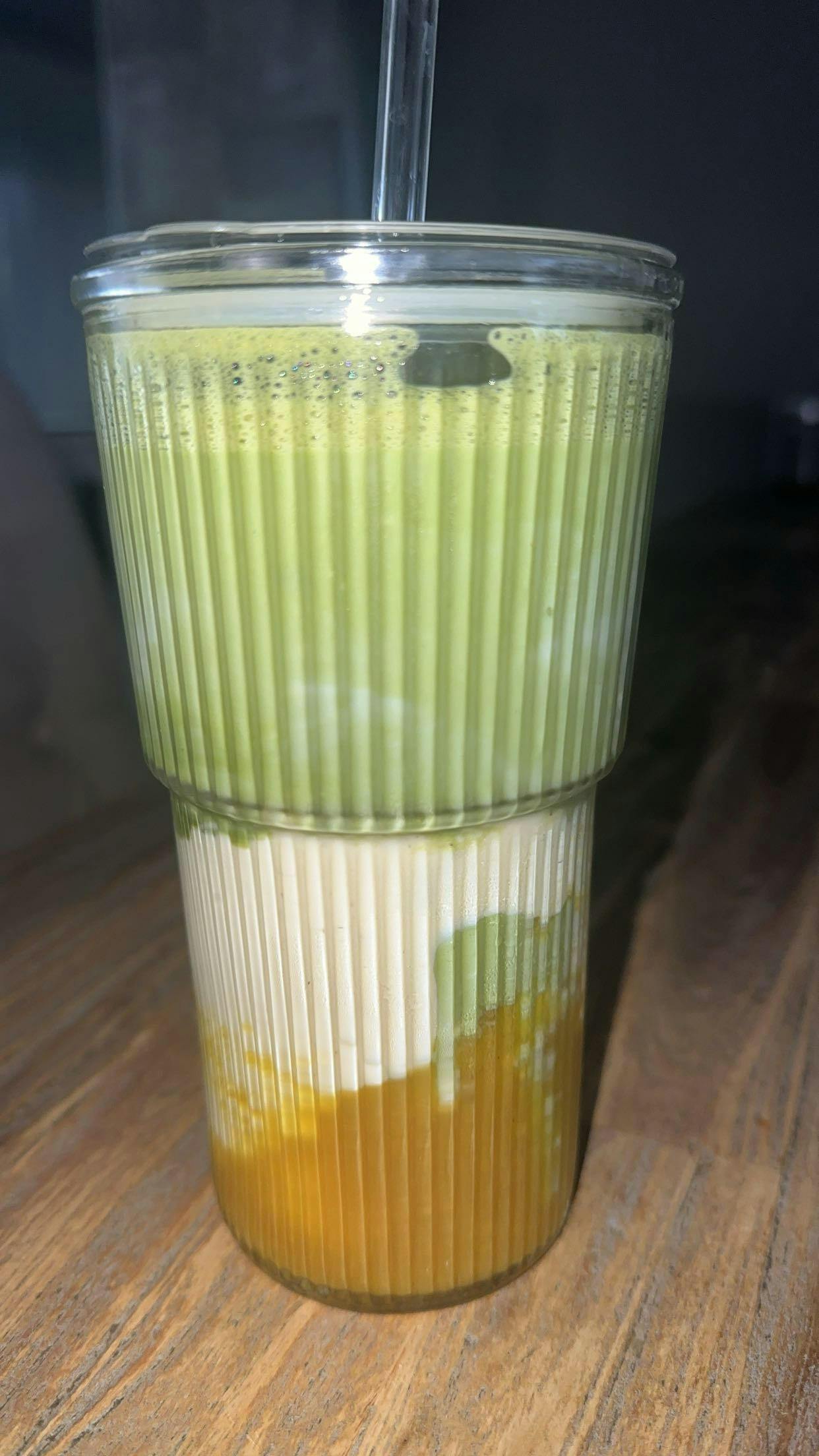
Yes! While Ceremonial Matcha is best enjoyed as a traditional tea, it can also be used in lattes and smoothies for a high-quality, smooth matcha flavor. However, because it's delicate and premium, some people prefer to reserve it for traditional preparation to honor its taste.
What are the health benefits of Ceremonial Matcha?
What are the health benefits of Ceremonial Matcha?
Ceremonial matcha contains high levels of antioxidants, particularly catechins, which may help reduce inflammation, improve heart health, and boost metabolism. It also provides a gentle energy boost due to its combination of caffeine and L-theanine, a compound that promotes relaxation and focus.